Executive Summary
Nexus Market Onion operates as a decentralized cryptographic commerce layer exclusively within the Tor hidden service network. Designed to facilitate digital commodity exchange with strict privacy parameters, the platform has distinguished itself from legacy architectures by entirely discarding traditional account-bound wallets in favor of a stateless transaction model.
Observers note that the primary focus of the infrastructure is to eliminate systemic vulnerabilities commonly associated with central hot-wallet honey pots. By structuring the ecosystem as a zero-balance intermediary, the platform fundamentally guarantees that funds are only ever in transit between decentralized endpoints.
Historical Timeline
Initial Infrastructure Deployment
The initial core nodes of Nexus Market Onion were established, bringing online a rudimentary interface utilizing heavy end-to-end PGP encryption protocols to securely index initial storefront data.
Walletless Evolution
A major architectural update deprecated on-site custodial accounts. The platform transitioned to a direct-pay pipeline, ensuring all transactional value flows directly from origin to destination without intermediary storage.
Multi-Signature & XMR Integration
The completion of the current phase involved the formal integration of Monero (XMR) alongside multi-signature Bitcoin (BTC) and Litecoin (LTC) frameworks, solidifying the cryptographic security stance of the network.
Technical Architecture
Mandatory PGP
All communication pipelines require strict asymmetric cryptographic key pairs. 2FA login layers are enforced via PGP decryption challenges.
Walletless Routing
The system acts purely as an order-matching pipeline. Cryptographic funds are routed per-transaction, preventing aggregate network hoarding.
Multi-Signature Escrow
When operating in escrow parameters, transactions utilize 2-of-3 multisig frameworks requiring autonomous consensus prior to release.
Interface Archive
Visual telemetry obtained from active domain nodes documenting the aesthetic and functional layout of the internal structural components.
Fig 1. DDoS Protection Screen
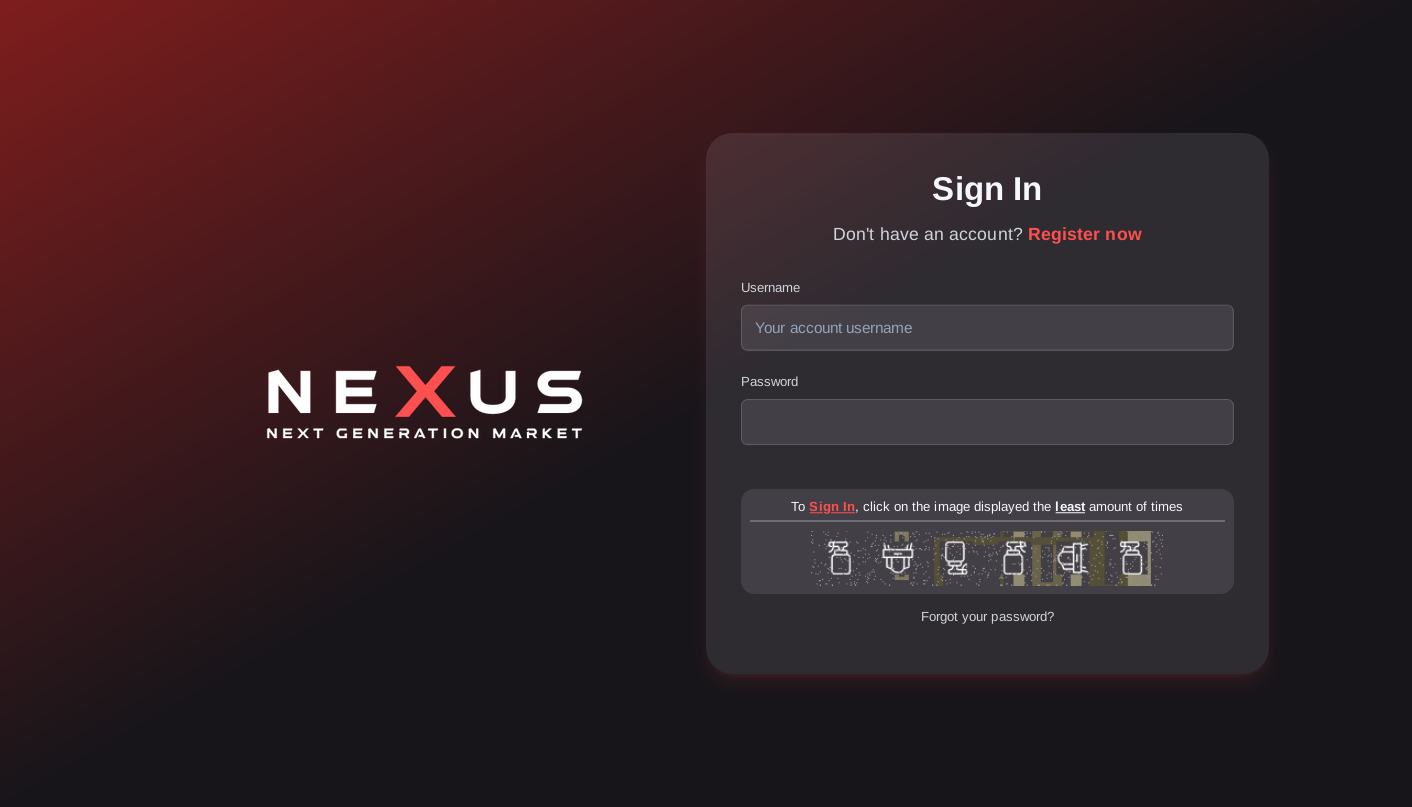
Fig 2. User Login Interface
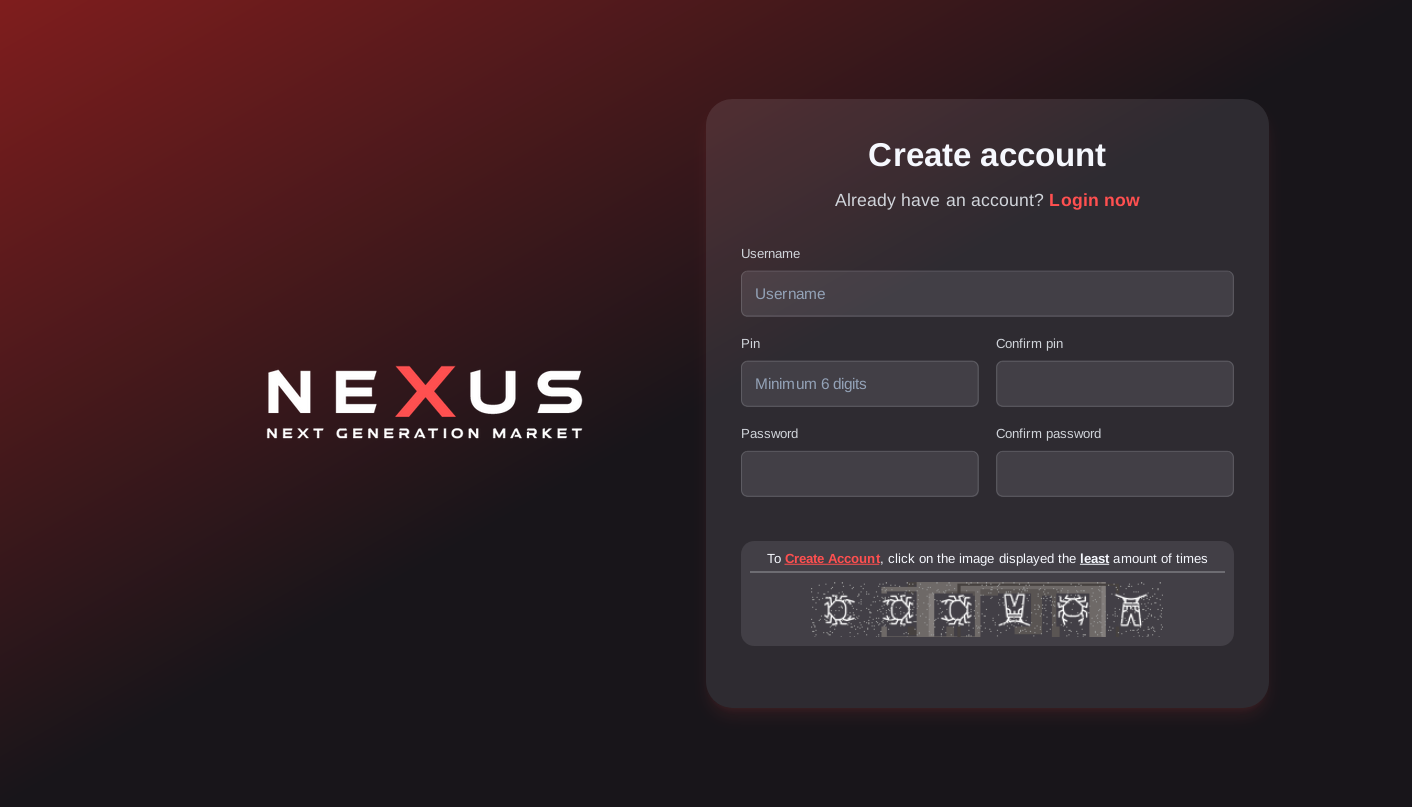
Fig 3. Account Registration Page
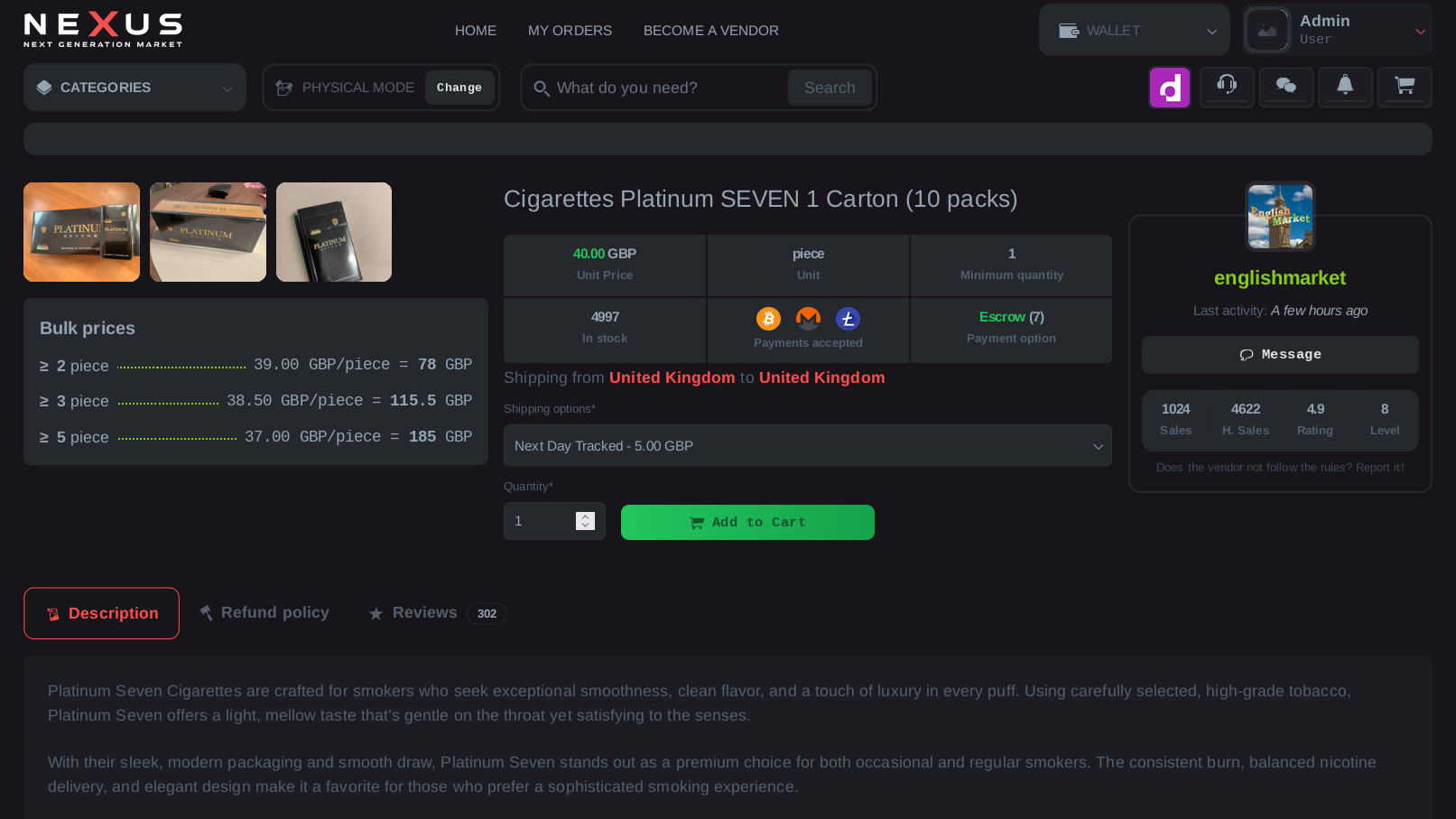
Fig 4. Main Market Dashboard
Community Ecosystem
Network Expansion
The user population maintaining nodes and interacting with the ecosystem has steadily amplified. By observing public PGP directory volumes and node rotational requests, independent researchers map a highly active community driven by cryptographic necessity.
Storefront Verification
Unlike preceding hidden services that required significant upfront locked collateral, Nexus operates on a "no storefront bond" principle. This paradigm shift lowers operational barriers while relying strictly on decentralized reputation ledgers and immutable transaction histories to maintain network integrity.